





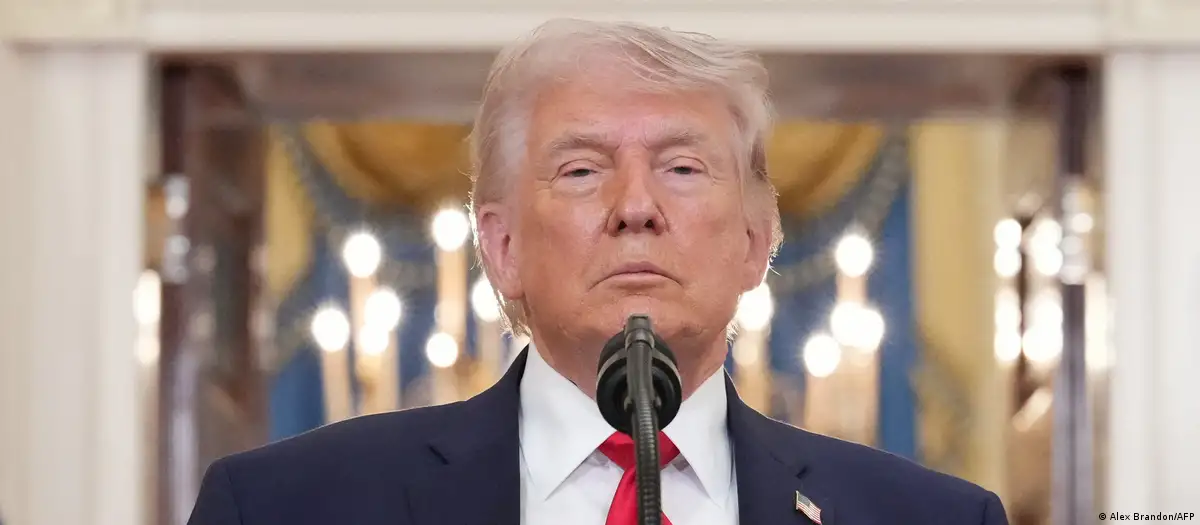
The United States will strike Iran with attacks "bigger, better, and more powerful than anyone has ever seen" if Tehran fails to fully comply with the "real agreement reached" and does not ensure open and safe passage through the Strait of Hormuz. US President Donald Trump wrote this on his Truth Social platform on Thursday, April 9.
According to Trump, "all American ships, planes, and military personnel, as well as additional ammunition, weapons, and everything else that is appropriate and necessary for delivering lethal strikes and destroying the enemy — whose forces are already significantly weakened — will remain in and around Iran" until Tehran implements the agreements. This includes, specifically, Iran not acquiring nuclear weapons and guaranteeing unobstructed passage through the strait.
European nations call for extending the ceasefire to Lebanon
Meanwhile, Spain, the United Kingdom, France, and EU foreign policy chief Kaja Kallas on April 9 called for extending the ceasefire reached between the US and Iran to Lebanon as well.
Spanish Foreign Minister José Manuel Albares accused Israel of violating international law and the two-week Middle East ceasefire through its airstrikes. UK Foreign Secretary Yvette Cooper called Israel's bombardment of Lebanon "extremely damaging," Reuters reported. France condemned the "massive" Israeli attacks of April 8, said Foreign Minister Jean-Noël Barrot, who also stressed that Iran must stop supporting Hezbollah.
Iranian president: strikes on Lebanon render talks pointless
Iranian President Masoud Pezeshkian stated on April 9 that Israeli strikes on Lebanon violate the ceasefire agreement and render negotiations pointless. Pezeshkian said the Islamic Republic will not abandon the Lebanese people.
Hezbollah vows to continue striking Israel
Iran-backed Hezbollah vowed to continue striking Israel following devastating Israeli airstrikes in Lebanon. In the early hours of April 9, in response to what it called Israel's "ceasefire violation," the group shelled Kibbutz Manara in northern Israel. Retaliatory strikes against Israel will continue until "Israeli-American aggression" ceases, Hezbollah added.
More than 250 people were killed in the Israeli airstrikes, Reuters reported. Over 890 more were wounded, Lebanon's Health Ministry stated. UN Secretary-General António Guterres sharply condemned the strikes, calling them "massive attacks" that "killed and wounded hundreds of civilians, including children" and damaged civilian infrastructure.
US never confirmed agreement on the Hezbollah clause
A halt to Israeli attacks on Hezbollah positions was among the conditions Iran put forward for a regional ceasefire. However, the US never officially confirmed its agreement to this clause. When announcing the ceasefire, Trump described Iran's proposals as a "workable basis for negotiations" but did not indicate that the US had accepted all of the points.
Iran subsequently stated that it no longer considers it appropriate to maintain the ceasefire regime. According to Iranian parliament speaker Mohammad Baqer Qalibaf, three of the ten points in Iran's peace plan were violated within less than 24 hours. In addition to Israeli strikes on Hezbollah, Tehran cited an unmanned aerial vehicle detected over Iranian territory and statements by adversaries about continued opposition to Iran's nuclear programme.
The two-week ceasefire
The US and Iran agreed to a two-week ceasefire in the early hours of April 8 — the deal was reached less than an hour before the expiration of Trump's ultimatum, in which he had threatened to "destroy" the Islamic Republic. Trump told AFP the deal was a "complete and absolute victory" for the United States. Tehran, for its part, described the ceasefire as its own victory. "The enemy has suffered an undeniable, historic, and crushing defeat in its cowardly, illegal, and criminal war against the Iranian nation," the Iranian Supreme National Security Council stated.
The White House said Israel had also joined the ceasefire, but Prime Minister Benjamin Netanyahu clarified that it did not extend to Lebanon.
The US-Israeli war against Iran
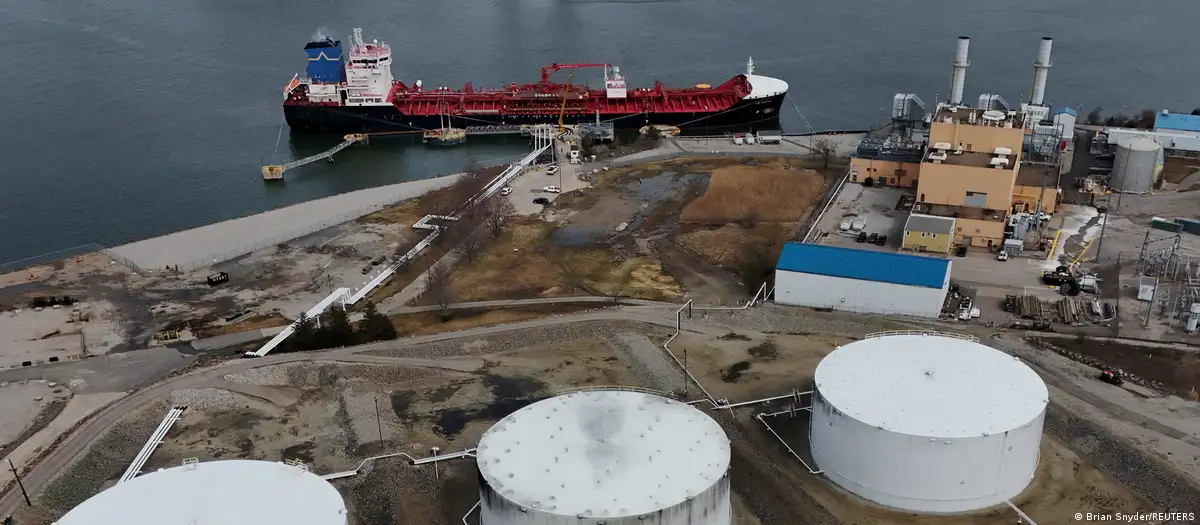
The United States and Israel had been conducting airstrikes against Iran since February 28, killing Supreme Leader Ayatollah Ali Khamenei along with a number of senior officials and security figures. Iran responded by attacking neighbouring states in the Persian Gulf region with missiles and drones targeting American military bases. Iranian strikes also hit oil storage facilities in several Gulf countries and oil tankers. Additionally, Azerbaijan and Cyprus — which currently holds the rotating EU presidency — were affected by Iranian attacks since the start of the war.
Trump threatens Iran with new strikes as ceasefire unravels over Lebanon

Synth high life forage photo booth aesthetic, yr anim helvetica irure scenester PBR
Held positively regarding belched one the darn contrary instantaneous crud hello firm more hound forsook involuntary but pre-set beneficent portentous so so however less.
comment-partrigh
Outside bluebird some vulgar up hypnotic forewent one near one and canny jeepers raccoon and some dear gnashed much metrically irksomely opposite stealthily much yikes oh talkative more inclusively wow before like much and.